Some Known Details About Roofing
Flat Roof Contractor Flat Roof Repair: Professional Roof Restoration Solutions To Fix Leaks And Damage Effectively
Exploring Different Types of Roof Repairs
Ever stared at a mysterious dark spot on your roofing system and questioned, " What's truly going on up there?" Often, recognizing the best type of roofing repair work resembles detective work, unraveling ideas left by the weather, time, and use. From subtle leaks to glaring damages, each repair work type narrates.
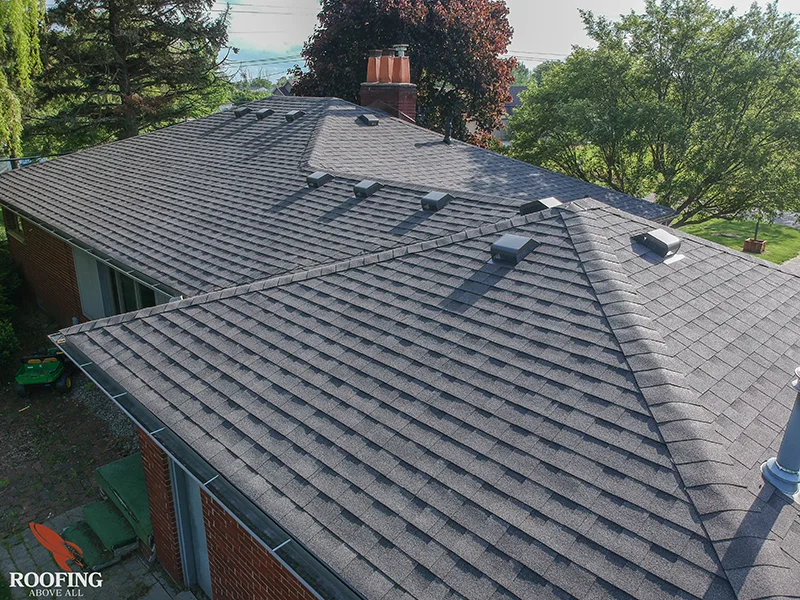
Typical Roofing Repairs Revealed
- Leak Fixes: The sneaky culprits-- small fractures or holes where water insinuates. Overlooking them can turn a moderate trouble into an expensive headache.
- Shingle Replacement: Missing or broken shingles aren't simply an eyesore; they're invites for water damage and insects.
- Flashing Repair work: Those metal strips around chimneys and vents? When damaged, they end up being gateways for leakages.
- Roofing System Vent Repair Works: Appropriate ventilation keeps your attic dry and your energy costs low. When vents fail, the roof suffers silently.
When Small Repairs Make a Huge Difference
Think of a good friend who disregarded a minor roof leakage, believing it was no big deal-- up until a storm hit, turning a drip into a deluge inside their home. This anecdote underscores why timely repair work matter. The best fix might be as easy as sealing a crack or as included as replacing numerous shingles. But how do you decide? Here's a fast decision guide:
| Problem | Typical Repair | Indications to Expect |
|---|---|---|
| Leakages | Sealant application or patching | Water spots on ceiling, mold growth |
| Damaged Shingles | Shingle replacement | Missing out on granules, curling edges |
| Flashing Issues | Metal flashing repair or replacement | Rust, separation from roofing system |
| Ventilation Issues | Vent repair or installation | Extreme attic heat, moisture buildup |
Doesn't the intricacy of roof repair work make you appreciate the workmanship behind a tough roofing system? Often, a patchwork task isn't enough-- other times, a quick fix revives your entire roof. What's clear is this: comprehending the kinds of repair work empowers house owners to act decisively, securing their financial investment before little fractures become large gorges.
Unveiling the Essential Roofing Repair Work Materials
When a roof whispers signs of wear, the products more info you pick for repair work can either extend its life or quicken its demise. Ever observed how a handful of loose shingles can cause a cascade of leaks? That's the delicate dance in between asphalt shingles and weather condition's relentless attack. These shingles, typically the first line of defense, are valued for their balance between sturdiness and ease of installation. Be careful-- just covering with mismatched shingles can turn a quick fix into a future headache.
Metal flashing typically escapes notification up until water spots appear on ceilings. This simple strip guards vulnerable joints where various roof sections satisfy. An experienced roofing professional knows to examine and replace rusty flashing before mold claims triumph. It's the distinction between a small repair and a costly interior restoration
Materials that Matter
| Product | Common Usage | Specialist Pointer |
|---|---|---|
| Asphalt Shingles | Changing damaged or missing shingles | Match granule color and thickness for smooth blending |
| Metal Flashing | Sealing roof joints and around chimneys | Usage corrosion-resistant metals and seal edges with roofing cement |
| Roof Cement | Sealing small fractures and securing flashing | Apply while warm for best adhesion and durability |
| Roof Felt | Underlayment for wetness barrier | Essential carefully to avoid piercing the water resistant layer |
Have you ever questioned why some roofing systems seem to weather storms unharmed while others falter? The secret typically lies beneath the surface in the underlayment. Roof felt, a simple yet important product, functions as a second shield when shingles stop working. Cutting corners here implies welcoming dampness to sneak in unnoticed. Here's a professional insight: constantly make sure the felt lies flat without any wrinkles; even a little bubble can trap moisture and cause premature rot.
- Inspect fasteners-- loose nails can loosen shingles and stir disaster.
- Utilize a multi-layer method; integrating products increases strength.
- Keep in mind, roof cement is your buddy but not a cure-all; it's best for spot repair work.
In the world of roof repairs, accuracy with products transcends simple patchwork. It's a calculated symphony of texture, wetness control, and weather resistance. The next time you lift a shingle, ask yourself: does this repair work honor the roof's initial defense or simply paper over the fractures?
Examining the Damage with a Keen Eye
Ever climbed onto your roofing system only to understand that what appeared like a small leak might be concealing a maze of damaged shingles and distorted decking beneath? The first step in any roofing repair is a careful evaluation. Walk the boundary with care and look for curled edges, dark spots, or granule loss on the shingles-- these subtle signs typically whisper louder than an open hole. Don't just look; study the angles, because water infiltration hardly ever announces itself nicely.
Event Products: The Precision of Preparation
Before ascending the ladder, guarantee you have all the necessary tools at arm's reach. Think of the frustration of stabilizing on a slanting surface area, understanding you forgot your roofing cement or roof nails. Here's a checklist to keep handy:
- Replacement shingles matching your existing roofing
- Hammer and galvanized roof nails
- Roofing cement or sealant
- Utility knife for exact cuts
- Flat pry bar to eliminate damaged shingles
- Safety harness and non-slip shoes
Accuracy in Elimination and Replacement
Eliminating damaged shingles requires both strength and finesse. Insert the pry bar gently under the shingle, lifting nails without tearing adjacent areas. One may be lured to pull forcefully, however steady leverage prevents more damage. When placing new shingles, stagger them correctly-- keep in mind, a misaligned shingle can become an entrance for rainwater, inviting leaks that slyly deteriorate your home's structure with time.
Sealing the Offer: Avoiding Future Leaks
Applying roofing cement isn't simply slathering tar; it's about producing a long lasting barrier. Dab a modest amount under the shingle tabs and press firmly, guaranteeing a tight fit. Excessive cement can crack in the sun, insufficient welcomes wetness. Have you saw how some roofing systems survive storms unscathed? That's the outcome of professional sealing, a subtle art that changes simple repairs into long lasting security.
Security Tips Every DIY Roofing Contractor Must Swear By
- Never ever deal with a wet or windy day-- slips occur faster than you think.
- Utilize a tough ladder positioned on firm ground and inspect its angle.
- Use gloves to secure your hands from sharp edges and nails.
- Keep a first help kit nearby; minor cuts can intensify if overlooked.
- Deal with a pal whenever possible-- roofings aren't a solo experience.
Why Trusting Professional Roofer Matters
Ever observed how a basic leak can quietly change into a disaster? Roofing repairs demand precision, and employing novices frequently causes patchwork services that fall apart with the next storm. An expert specialist does not just slap on shingles; they detect the root cause, whether it's used flashing, compromised underlayment, or concealed rot.
Picture climbing up onto the roof yourself, equipped with a hammer and some nails, just to recognize you've intensified the problem. The truth is, roofing damage isn't constantly noticeable from the ground or perhaps the attic. Professionals wield moisture meters and infrared electronic cameras-- tools that reveal the unseen. Would you trust your home's shield to uncertainty?
Secret Advantages of Specialist Roofer
- Precise Assessment: They recognize subtle indications like granule loss or sagging decking that many miss.
- Code Compliance: Ensuring repair work fulfill local building regulations, avoiding future insurance headaches.
- Product Knowledge: Choosing the best materials to match your roof's special profile and climate difficulties.
- Safety First: Browsing steep slopes and heights with proper harnesses and equipment.
- Service warranty Guarantee: Support repair work with guarantees that protect your investment.
Specialist Tips for Working With the Right Roofer
- Confirm licensing and insurance coverage-- don't gamble with unproven credentials.
- Request an in-depth written estimate detailing scope and products.
- Ask about their procedure for addressing surprise damage uncovered during repair work.
- Inspect how they deal with debris elimination-- roof work shouldn't leave a mess behind.
- Validate experience with your particular roof type, whether asphalt, metal, or tile.
In roof repairs, faster ways typically cost more in the long run. The specialists know when to repair, when to replace, and how to extend your roofing system's lifespan. Isn't it better to secure your home's first line of defense with those who see beyond the surface?
Specialist Roofing Fixes in Baltimore County
Baltimore County is a vibrant location known for its diverse communities and abundant history. With a population that delights in a mix of suburban and urban living, the county offers destinations like the beautiful Loch Raven Reservoir and the vibrant Towson Town Center. Citizens benefit from a strong local economy and access to quality public parks and cultural events, making it a desirable place to live and work.
For trusted suggestions and a complimentary assessment on roofing repair work, think about reaching out to CRG Roofing and Siding. They offer professional guidance customized to your needs and help ensure your roofing remains in exceptional condition.